
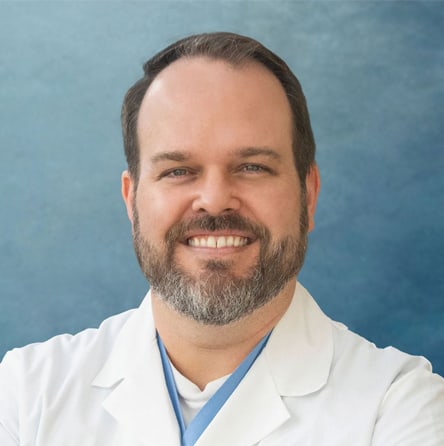
M. Craig McMains, MD, FAAOS
Locations
OrthoIndy Fishers
10995 N. Allisonville Rd. Ste. 102
Fishers, IN 46038
OrthoIndy Northwest
8450 Northwest Blvd.
Indianapolis, IN 46278
OrthoIndy Westfield
288 East 175th St.
Westfield, IN 46074
Specialties
- Back and Neck
- Spine Surgery
( Fax: 317.802.2405 )
Care philosophy & approach to medicine
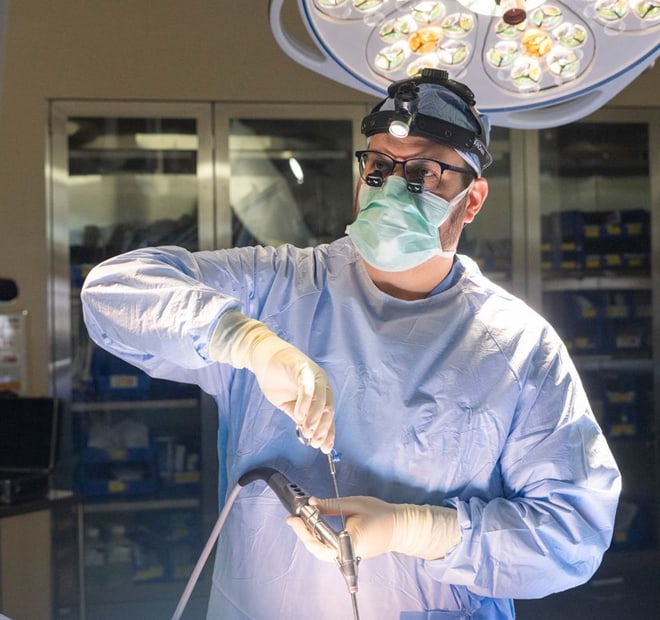
- Minimally invasive when possible
- Motion-preserving options when appropriate
- Shared decision-making and education
- Focus on safe, faster recovery
- Second opinions welcomed
Meet Dr. McMains’ team

Alexander Taylor, PA-C
Alex is a certified Physician Assistant on Dr. M. Craig McMains’ care team, with advanced training in spine care and minimally invasive surgical techniques. He earned his undergraduate degree from Purdue University and holds two master’s degrees—one in Physician Assistant Studies from the University of Saint Francis and another in Kinesiology and Exercise Sciences from Florida International University. Alex is highly skilled in interpreting diagnostic imaging, assisting in complex procedures, and treating a wide range of spine conditions to support optimal patient outcomes. An Indianapolis native, he enjoys traveling, spending time at the lake with his dog, and cheering on the Boilers.
Testimonials: Find out why patients choose Dr. McMains
C. vitae: See Dr. McMains’s academic and professional achievements (pdf)
Academic & professional accomplishments
Education
Fellowship
Stanford University
Residency
The Ohio State University
Medical School
Indiana University School of Medicine
Undergraduate
Purdue University
Affiliations
- American Academy of Orthopaedic Surgeons
- North American Spine Society
- Society for Minimally Invasive Spine Surgery
Associations
- American Academy of Orthopaedic Surgeons
- North American Spine Society
- Society for Minimally Invasive Spine Surgery
- Board-Certified Physician
- Orthopaedic Research Foundation (ORF) Board Member
Awards & Recognition
- Indianapolis Monthly Top Doc (2023–2025)
Fun Facts
Hobbies
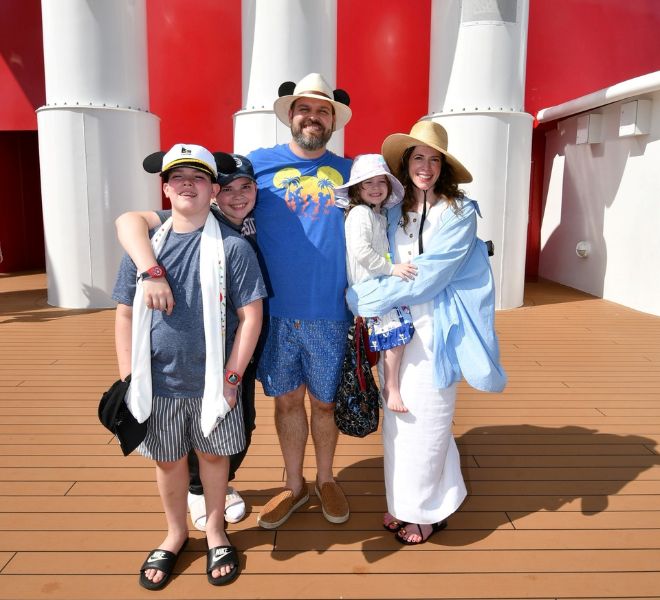
I love fishing, playing guitar, reading, camping with my sons, dancing with my daughter, travel, cooking with my wife, watching Purdue sports and tinkering with AI
Guiding lesson
“The credit belongs to the man who is actually in the arena… who spends himself in a worthy cause.” — Theodore Roosevelt
First job
My first job was working at Ace Hardware. It was great as a teenager. I learned all about different tools and home repair. I also took care of the plants in the garden center and help install fountains for customers at their home.
Favorite subject
History
Q&A
In the following interview, Dr. McMains reveals who is a good candidate for endoscopic spine surgery, what rapid recovery protocol is, and more. His responses, below, have been condensed.
Whether you’re a candidate for endoscopic spine surgery really comes down to three things I look at closely: your symptoms, what your imaging shows and how you’ve responded to non-surgical care.
In many cases, this approach is best suited for patients with nerve-related symptoms — pain, numbness, tingling or weakness that travels into the arm or leg — especially when treatments like physical therapy, medications or injections haven’t provided lasting relief. I also want to see a clear, targeted problem on your MRI or CT scan, such as a herniated disc or spinal stenosis, that matches what you’re feeling.
What’s changed in recent years is how much we can now treat with endoscopic techniques. Today, we’re able to address an expanding range of conditions — including herniated discs, spinal stenosis, facet joint syndrome, bone spurs, spinal arthritis, slipped vertebra and even failed back surgery syndrome.
I use endoscopic approaches not only for decompression of nerve roots, but in some cases as an alternative to traditional fusion — and even for more complex procedures like spinal fusions, pars defects and certain fractures.
“These are problems that used to mean open surgery, long recoveries or bracing that didn’t always work,” I often tell patients. “Now, we can treat them endoscopically — with less disruption to tissue and a faster recovery.”
That said, endoscopic surgery is still most effective when the issue is localized and well-defined. If your pain is only in the low back without nerve involvement, or if your spine requires significant stabilization, there may be better options.
If you’re wondering whether this approach is right for you, I encourage you to schedule an appointment so we can review your symptoms, imaging and goals together and determine the best path forward.
If you’d like to learn more about how we’re using these advanced techniques, you can read this blog which features information about our ultra minimally invasive techniques: OrthoIndy Brings Most Advanced Endoscopic Spine Surgery Options to Central Indiana.
This is one of the most common questions I get. In most cases, we start with non-surgical care — things like physical therapy, medications or injections because many spine conditions can improve without surgery.
I typically recommend continuing conservative treatment if your symptoms are manageable, improving over time or not significantly limiting your daily activities. Physical therapy can help strengthen and support the spine, while injections can reduce inflammation and calm irritated nerves.
Surgery becomes something we consider when those treatments haven’t provided enough relief after a reasonable period of time, or when symptoms are clearly affecting your quality of life. That often includes persistent nerve pain traveling into the arm or leg, worsening weakness or numbness, or difficulty doing everyday activities despite trying other options.
There are also situations where we move more quickly to surgery — for example, if there’s progressive neurologic weakness or a condition that could lead to more permanent nerve damage if not addressed.
My goal is always to recommend the least invasive, most effective option for your specific condition. When surgery is the right next step, it’s because we’ve aligned your symptoms, imaging and response to treatment — and we have a clear path to help you feel better and get back to what you enjoy.
Rapid Recovery Protocol is an approach we use to help you recover faster, more comfortably and with fewer complications after spine surgery.
It’s not a single treatment — it’s a coordinated plan that starts before your procedure and continues through your recovery. That includes preparing you ahead of time, using less invasive surgical techniques whenever possible, and managing pain in a way that minimizes opioids and helps you get moving sooner.
In many cases, this means you’re up and walking the same day as surgery, with a clear plan for returning to normal activity. We also focus on things like nutrition, physical therapy and setting expectations, so you know what recovery will look like and how to stay on track.
The goal is simple: reduce the physical stress of surgery and help you get back to your life as safely and quickly as possible.
Whether Rapid Recovery is right for you depends on your procedure and overall health, but it’s something we consider for patients as part of delivering the best possible outcome.
That’s one of the first questions patients ask. The answer really depends on the type of procedure you have and what you’re hoping to get back to.
With minimally invasive or endoscopic spine surgery, recovery is often faster than you might expect. Many patients are up and walking the same day. If you have a desk job, it’s not uncommon to return to work within one to two weeks. Jobs that are more physical may take a bit longer — often four to six weeks or more, depending on the demands.
When it comes to sports or higher-impact activity, I usually recommend a more gradual return. Light activity can often begin within a few weeks, but full return to sports may take anywhere from six weeks to three months. For more intense or contact activities, it can be longer.
The most important thing is that recovery isn’t one-size-fits-all. I base recommendations on your specific procedure, how your body is healing and what your goals are. We’ll walk through a plan together, so you know what to expect and how to safely get back to the activities you enjoy.
Yes; I absolutely offer second opinions. And I encourage patients to seek them when they’re unsure.
If you’ve been told you may need spine surgery, or you’re just not confident in your diagnosis or treatment plan, getting another perspective can be incredibly valuable.
At OrthoIndy, we regularly review imaging like MRIs and CT scans and talk through your symptoms and options, so you have a clear understanding of what’s really going on. In fact, our spine team offers second opinion consultations specifically to help patients make more informed decisions about their care.
Sometimes this confirms the original recommendation. Other times, we may identify non-surgical options or a less invasive approach that could be a better fit.
My goal is never to push you toward surgery — it’s to make sure you have the right diagnosis and understand your options so you can make the best decision for your health and your life.
If you’d like a second opinion, you can schedule a consultation or even have your imaging reviewed so we can walk through everything together.